
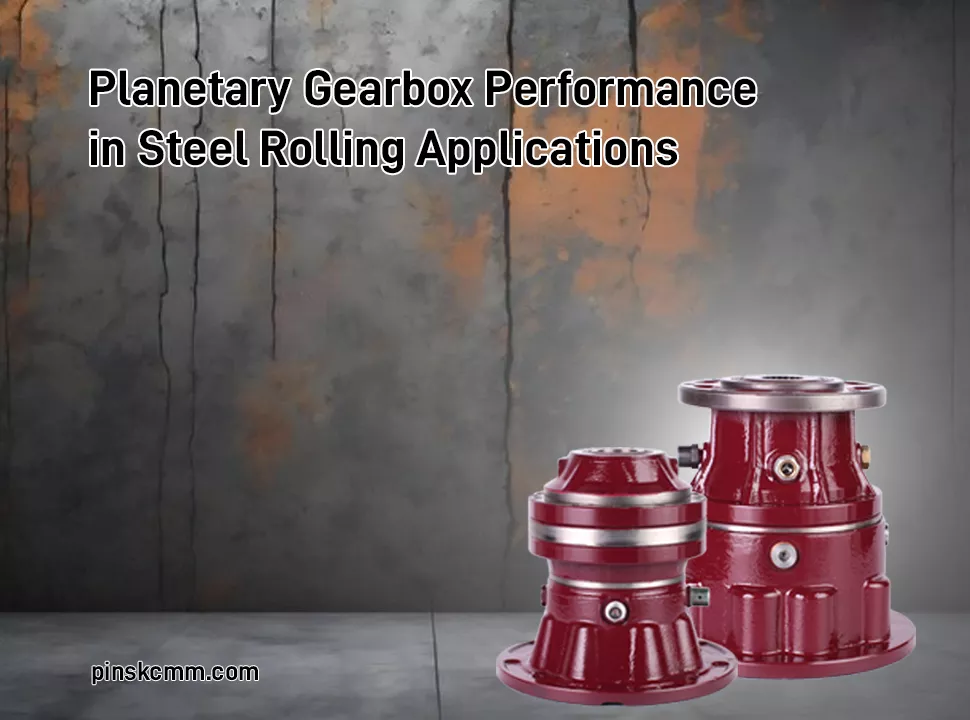
Steel rolling mills operate under extreme mechanical demands, where torque density, load stability, and drivetrain reliability directly affect production continuity. Within this environment, planetary gearbox performance in steel rolling is a critical factor in maintaining controlled material deformation while minimizing mechanical stress across the drive system.
Planetary gear systems are commonly selected for rolling applications due to their compact geometry and ability to distribute loads across multiple gear paths. However, their long-term effectiveness depends heavily on how well these systems respond to fluctuating loads, thermal variation, and continuous duty cycles.
Load Distribution Characteristics in Rolling Mill Drives
In a steel rolling line, torque transmission is rarely constant. Variations in billet thickness, rolling speed, and material temperature introduce dynamic load changes throughout operation. Planetary gearboxes manage these conditions by dividing transmitted torque across several planet gears, reducing localized stress concentrations.
This load-sharing behavior improves fatigue resistance in comparison to single-path gear arrangements. Proper load balance, however, is highly sensitive to manufacturing tolerances, bearing preload accuracy, and housing stiffness. Even minor deviations in alignment can lead to uneven torque paths, gradually accelerating wear in high-duty rolling environments.
Torque Density and Space Constraints
Steel processing plants often face spatial limitations when upgrading or retrofitting drive systems. Planetary gearboxes provide high torque output within a relatively compact footprint, making them suitable for integration into existing rolling mill layouts.
The relationship between torque density and structural rigidity is particularly important. While higher torque density allows reduced gearbox size, insufficient casing stiffness can introduce elastic deformation under load. This deformation affects gear meshing accuracy, increasing vibration levels and reducing operational smoothness during continuous rolling operations.
Thermal Behavior and Continuous Operation
Thermal stability is a defining performance indicator for gearboxes used in steel rolling mills. Continuous operation generates sustained heat due to frictional losses, bearing load, and lubricant shear. Planetary gear arrangements concentrate multiple meshing interfaces within a confined space, intensifying thermal management challenges.
Effective heat dissipation relies on lubricant selection, internal oil flow paths, and housing surface area. Inadequate thermal control can lead to lubricant degradation, increased backlash, and progressive efficiency loss under sustained rolling conditions.
Backlash Control and Process Stability
Low backlash characteristics are essential in rolling applications where speed synchronization and precise roll gap control are required. Excessive backlash introduces response delays in drive systems, affecting thickness consistency and increasing mechanical shock during load transitions.
Planetary gearboxes designed for rolling mills often incorporate optimized tooth profiles and controlled clearances to limit angular displacement under reversing or fluctuating loads. Maintaining these tolerances over time requires attention to bearing life, lubrication quality, and shaft support integrity.
Reliability Considerations in Heavy Industrial Environments
Reliability in steel rolling operations is not solely determined by load ratings but by how well the gearbox handles cyclic stresses, contamination exposure, and maintenance intervals. Sealed bearing arrangements, robust filtration systems, and accessible inspection points contribute significantly to operational longevity.
Manufacturers such as Seawide and other industrial drivetrain suppliers typically reference these factors when designing planetary gearbox platforms for continuous rolling applications, emphasizing durability rather than purely nominal torque capacity.
Conclusion
Planetary gearbox performance in steel rolling environments is governed by a balance between load distribution efficiency, thermal stability, backlash control, and structural integrity. While planetary configurations offer clear advantages in torque density and space efficiency, their long-term effectiveness depends on precise mechanical design and proper integration into rolling mill drive systems.
Ongoing improvements in materials, lubrication technologies, and housing rigidity continue to refine the role of planetary gear systems in modern steel processing facilities.
